 Philadelphia Chinese Academy is proud to be the
 Philadelphia Chinese Academy is proud to be nominated as an Honoree for Language Immersion by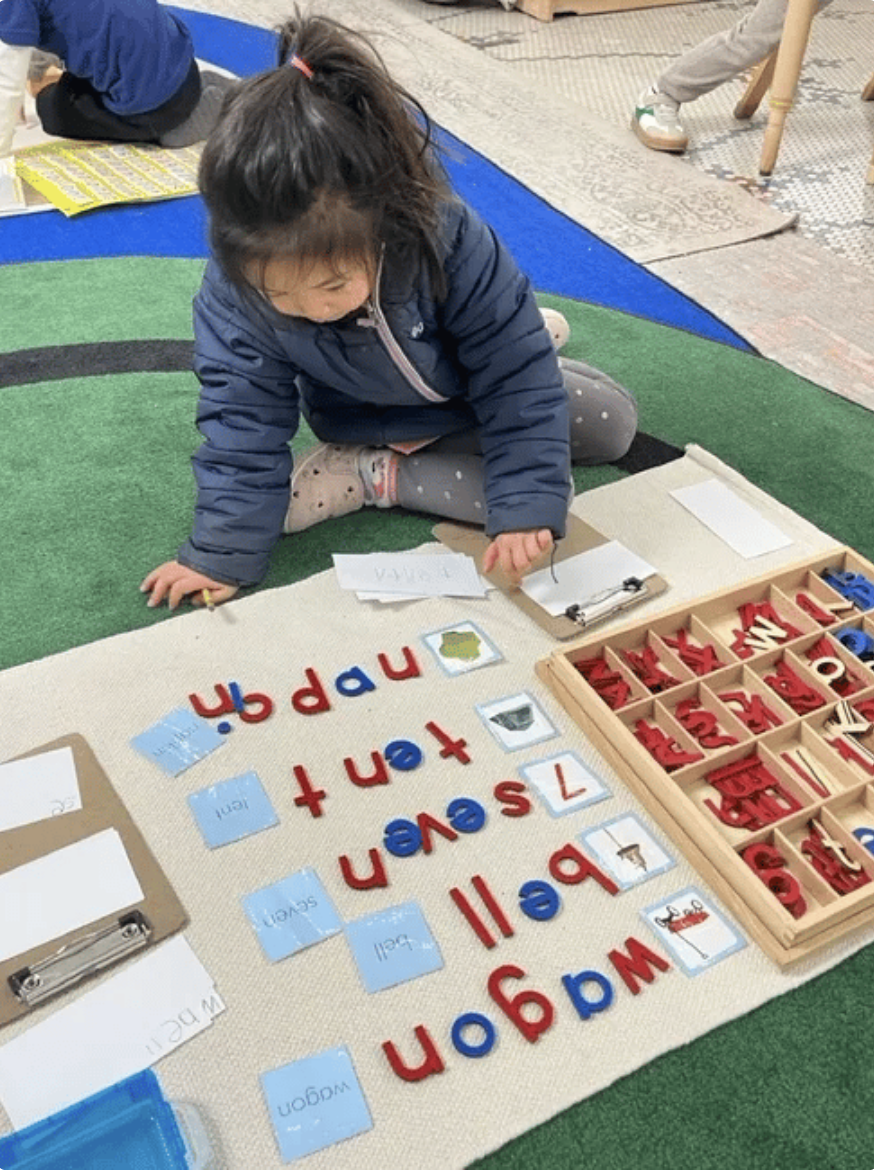
Beyond Memorization: How We Use Language to Build Humans
When people think about language learning, they often imagine vocabulary lists, flashcards, or the ability to repeat words correctly on cue. It is easy to focus on what children can say and how quickly they can say it.
At PCA, language is not treated as a subject to be memorized. It is treated as a living tool that shapes how children think, connect, and understand themselves and the world around them. Language is everywhere.
Our goal is not simply to teach children to speak English and Chinese. Our goal is to use language as a way to help children become thoughtful, confident, empathetic humans.
Language as Relationship, Not Performance
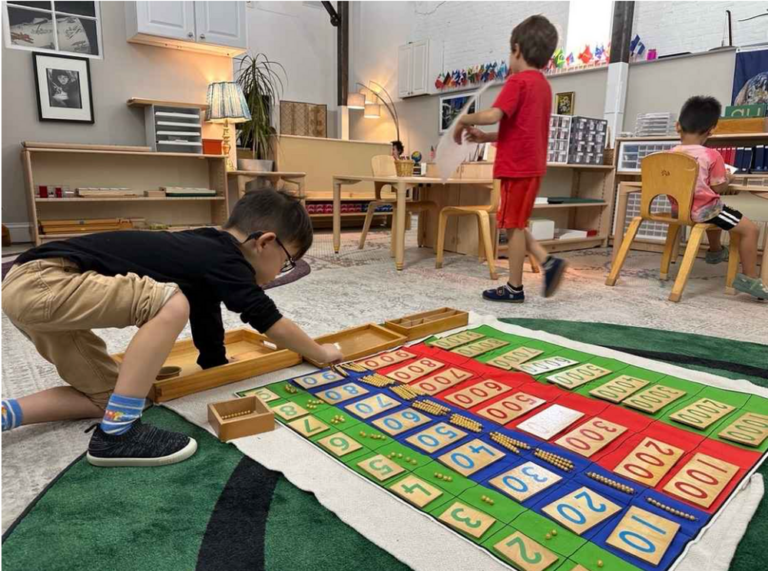
In our carefully prepared classroom, language grows through relationship. Children hear language used with intention, care, and consistency throughout the day. Teachers speak with children, not at them. Conversations happen during lessons, while eating food, during conflict resolution, and in moments of quiet curiosity.
Because language is embedded in real relationships, children are not performing for approval. They are communicating to be understood. Over time, this builds confidence and authenticity rather than anxiety about “getting it right.”
This is especially important in a bilingual environment. When children feel emotionally safe, they are far more willing to experiment, make mistakes, and try again.
Why We Focus on Meaning Before Mastery
Young children are in a sensitive period for language. Their brains are wired to absorb tone, rhythm, structure, and meaning long before they are ready for formal grammar or memorization.
Rather than rushing children toward output, we prioritize comprehension and connection. Children listen. They observe. They internalize patterns. They build understanding from the inside out.
This is why a child may not always perform on demand, yet still be deeply absorbing both languages. True language acquisition is happening even when it is quiet.
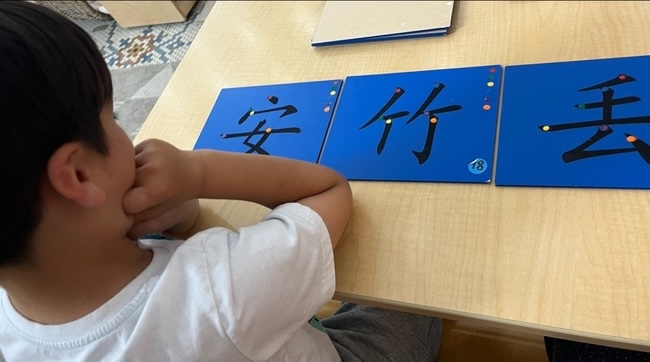
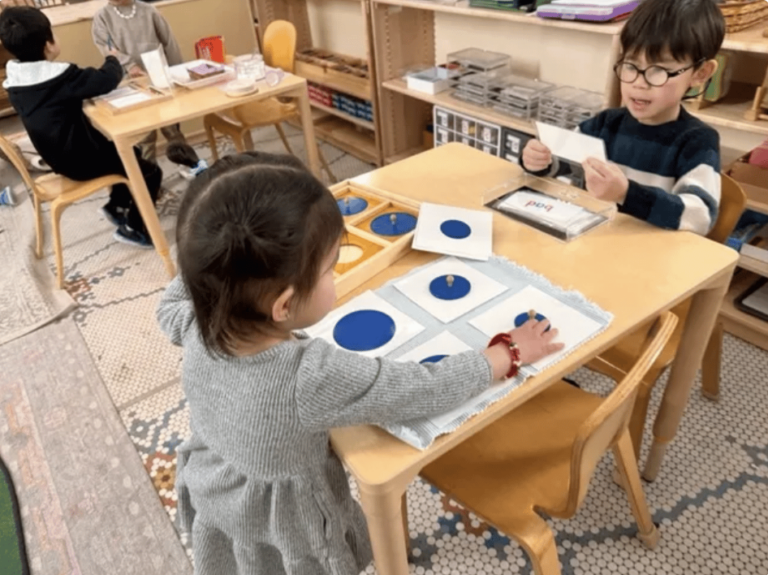
In the early years, much of this work is invisible. From toddler through the early childhood classroom, children are taking in sounds, building vocabulary, strengthening their listening skills, and developing the hand control and concentration needed for reading and writing. These years are an investment in a strong language foundation.
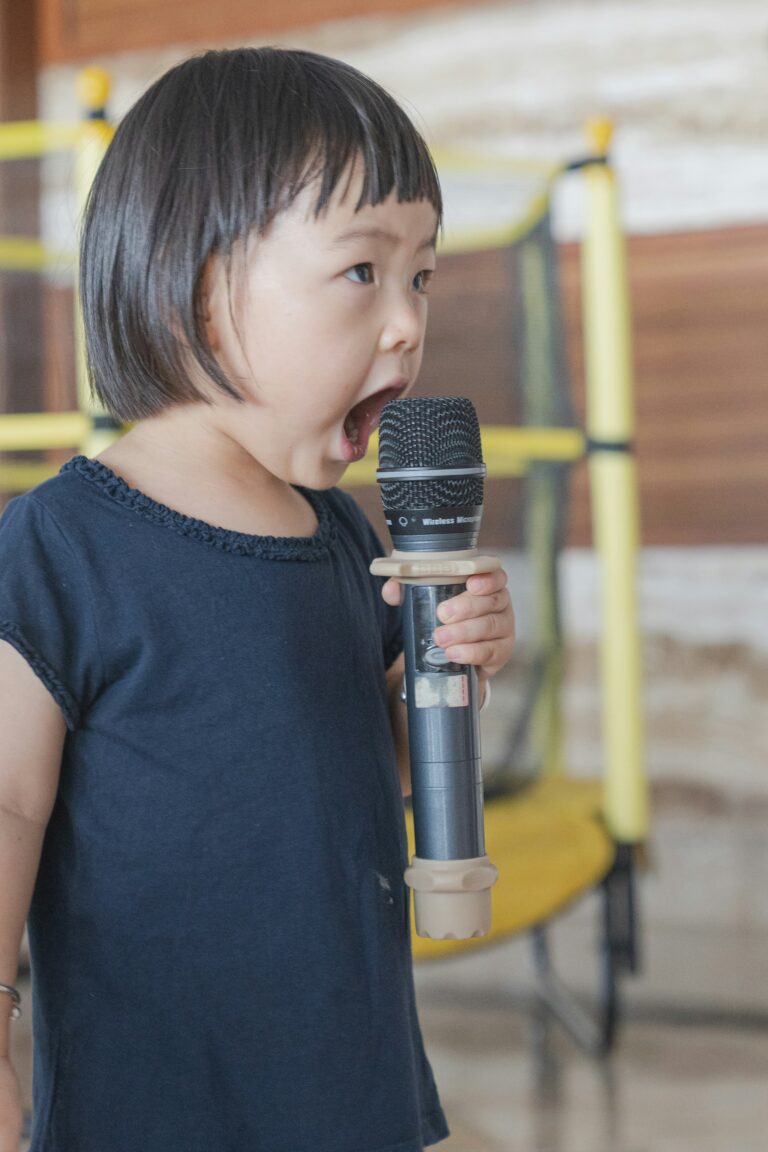
By the third year of the Montessori primary cycle, during the kindergarten year, many of these foundations come together. What children have been absorbing for years begins to show more clearly through reading, writing, and confident expression in both languages. What once looked like quiet observation becomes visible mastery.
Language Builds Identity and Belonging
Language is one of the primary ways children understand who they are and where they belong. When children hear multiple languages spoken with respect and consistency, they learn that different ways of speaking and expressing themselves are valued.
In a Chinese immersion Montessori classroom, language becomes part of daily life rather than a separate lesson. Children associate language with care, culture, stories, humor, and shared experience. This builds not only bilingual ability, but cultural awareness and empathy.
Children learn that communication is about connection, not perfection.
How Language Supports Executive Function and Emotional Growth
Language is closely tied to executive function and emotional regulation. As children learn to name objects, actions, and feelings, they also learn to organize their thoughts and manage their inner world.
Through storytelling, conversation, and practical life activities, children practice sequencing, memory, and self-expression. When conflicts arise, language is used to guide children through problem-solving and repair, rather than punishment.
Over time, children develop the ability to articulate needs, reflect on experiences, and navigate social situations with increasing independence.
What Parents Often Notice Over Time
Families may notice that their child:
- understands far more than they can immediately express
- switches naturally between languages depending on context
- uses language thoughtfully rather than impulsively
- shows curiosity about words, stories, and meaning
- demonstrates empathy through communication
These are signs of deep language development, even when progress looks different from traditional models.
Building Humans, Not Just Speakers
At PCA, language learning is inseparable from human development. We are not focused on producing early performers or perfect pronunciation on demand. We are focused on nurturing children who can think, feel, relate, and communicate with confidence and care.
When language is rooted in relationship, rhythm, and respect, children do more than learn words. They learn how to be with others. They learn how to express themselves. They learn how to belong.
That is language education that lasts far beyond childhood.