 Philadelphia Chinese Academy is proud to be the
 Philadelphia Chinese Academy is proud to be nominated as an Honoree for Language Immersion by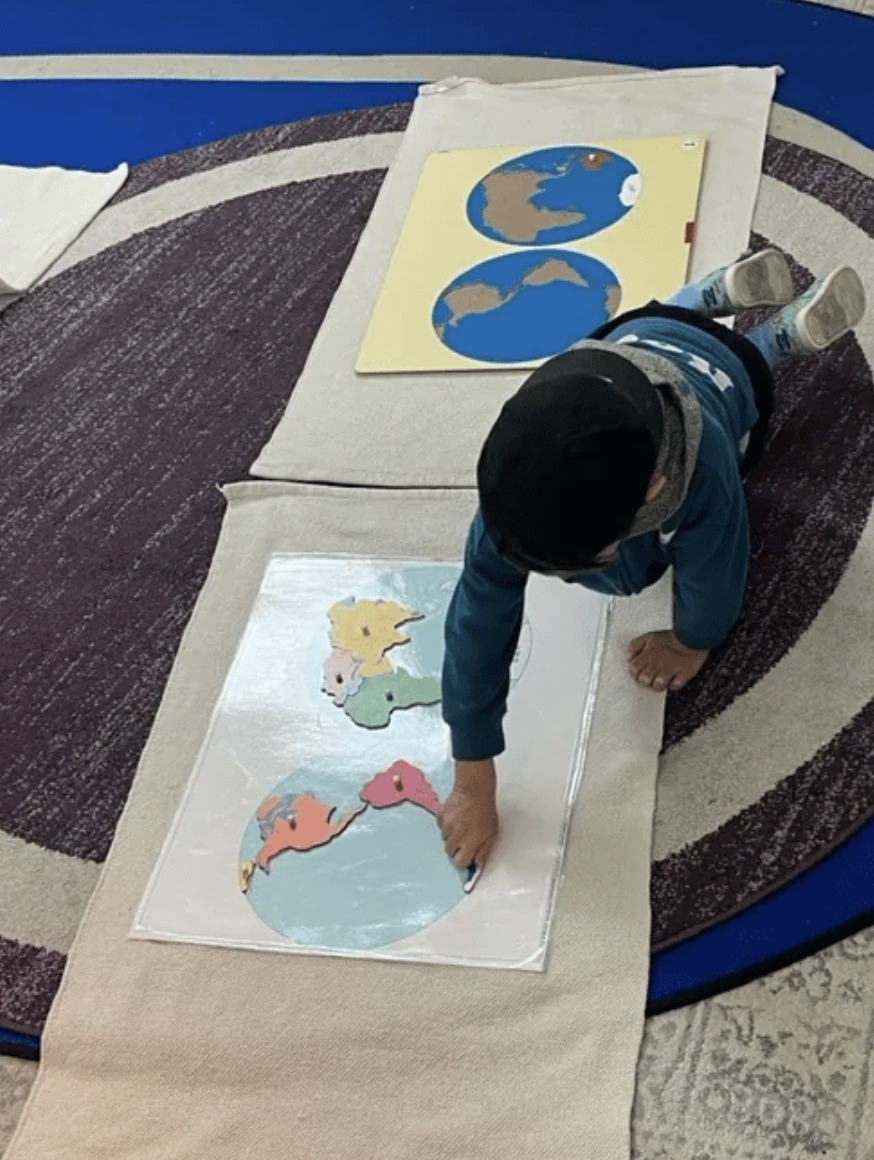
The Myth of the Self-Motivated Child
At some point, many parents begin to worry about motivation.
Is my child curious enough?
Do they stick with hard things?
Will they be ready to “self-start” when expectations increase?
We often hear phrases like intrinsic motivation or self-directed learning, and it can quietly create the impression that motivated children are simply wired that way. That some children naturally push themselves forward, while others need more encouragement.
But the idea of the self-motivated child is “wired to be” largely a myth.
Children do not arrive in the world knowing how to motivate themselves. Motivation is not a personality trait. It is a developmental outcome that develops overtime with consistent structure and appropiate expectations.
Motivation Is Built, Not Demanded
Young children are not motivated by long-term goals or abstract rewards. They are motivated by safety, connection, curiosity, and experiences of success that feel attainable – what educators and psychologists commonly refer to as the “Zone of Proximal Development”.
Before a child can persist through challenge, they must first experience what it feels like to:
- feel safe enough to try
- trust that effort matters
- recover from mistakes without shame
- experience success that comes from their own actions
These experiences do not happen in isolation. They happen through repeated interactions with adults and environments that feel safe to them and support their growth on their own terms. (IYKYK!)
Motivation grows when children feel capable, not when they are told to be.
When children are told to “try harder” or “be more motivated” before they are developmentally ready, learning can quickly become stressful. A child may comply, resist, or shut down, but true engagement begins to fade.
This often happens when children are pushed into activities before they are ready or before they have developed genuine interest. Some children are enrolled in instrument lessons before they can read or before they have the attention span to enjoy the process. Others are sent to highly structured weekend language programs that feel disconnected from their everyday experience. Without a sense of joy or ownership, these experiences can unintentionally create resistance rather than motivation.
Instead of building curiosity, learning begins to feel like pressure. Children may complete the task to please the adult, but the desire to continue disappears. Over time, they may avoid the very skills adults hoped they would embrace.
This does not mean children should never be challenged. It means that challenge must be paired with readiness, support, and meaning. When children experience learning as engaging and achievable, motivation strengthens. When they are pushed without the skills to manage frustration, motivation becomes fragile.
Over time, learning can begin to feel like pressure rather than curiosity. But when joy, interest, and competence grow together, children develop the confidence to keep going, even when something becomes difficult.
What Actually Creates Motivation
In environments where motivation flourishes, children are not constantly directed or evaluated. Instead, they experience a steady balance of freedom and structure.
Motivation grows when children:
- have meaningful choices
- are trusted with real responsibility
- work at an appropriate level of challenge
- receive feedback through experience rather than constant correction
- feel respected and capable
In these environments, children begin to take ownership of themselves, not because they are told to, but because it feels good to do so.
We see this even in very young children.
In one toddler classroom, a child chose not to wear his hat during outdoor time. He carefully placed it in his backpack instead. It was not extremely cold, and he did not want it on. His parent later shared a note explaining that he was being stubborn and asked that teachers make sure he wore the hat.
But this was also a child who had never experienced being cold. He had never needed to think about why a hat might matter. The adults chose not to force the decision. They allowed him to feel the environment for himself.
Over time, children naturally begin to understand cause and effect. They learn to put on a hat because they do not want to feel cold. The motivation becomes internal, not imposed.
This is how true responsibility develops. When everything is done for a child, they begin to believe that is simply how life works. But when children are allowed to experience small challenges, manageable discomforts, and real choices, they learn to care for themselves.
The stakes become higher as children grow older. Early childhood is the safest time to practice decision-making, experience consequences, and build self-awareness. These early moments of ownership lay the foundation for independence, resilience, and lasting motivation.
The Role of the Adult Is Everything
Children borrow motivation before they can generate it themselves.
Adults model courage, persistence, and calm problem solving. They prepare environments where effort leads to visible results. They offer encouragement without rescuing and guidance without taking over.

One PCA parent shared a reflection from her own childhood that illustrates this clearly. She grew up with an incredibly cautious father who loved his children deeply and wanted to keep them safe. Because of this, many everyday experiences were restricted. The family did not play hide and seek. Lighting candles was not allowed. Using knives or handling tools was discouraged.
At the time, this felt normal. But as an adult, she noticed something unexpected. She still feels uncomfortable preparing vegetables because she never had the opportunity to practice using a knife as a child. Simple tasks that require confidence and familiarity still feel foreign.
Protection, while well intentioned, can sometimes remove the very experiences that help children build competence and motivation. When children are trusted with real tools, meaningful responsibility, and appropriate challenges, they develop confidence in their abilities. They learn that they are capable.
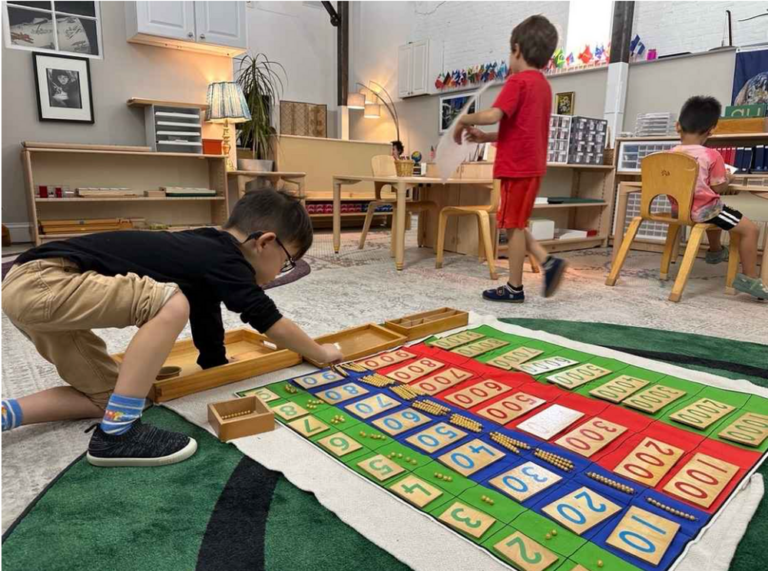
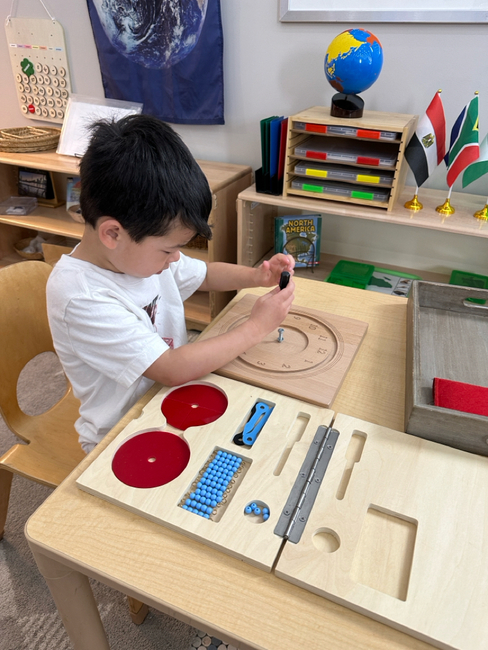
At PCA, children are given opportunities to pour, cut, clean, and care for themselves as well as their environment. These experiences are carefully guided and developmentally appropriate, but they are real. Children are trusted, and that trust builds ownership.
Over time, children internalize these experiences. What begins as supported effort gradually becomes self-directed engagement.
This is how motivation is built from the inside out.
Why Early Childhood Matters So Much
The early years are when children form their earliest beliefs about learning. They begin to answer quiet questions for themselves:
Am I capable?
Is it safe to try?
Do mistakes mean I’m failing?
Does effort matter?
When these questions are answered with patience, trust, and consistency, motivation takes root naturally.
Children who appear “self-motivated” later on are often children who were deeply supported earlier.
Letting Go of the Myth
When we let go of the idea that children should motivate themselves from the start, we shift how we support them. We stop asking why a child lacks motivation and begin asking what they need in order to grow it.
Motivation is not something we demand from children. It is something we cultivate alongside them.