 Philadelphia Chinese Academy is proud to be the
 Philadelphia Chinese Academy is proud to be nominated as an Honoree for Language Immersion by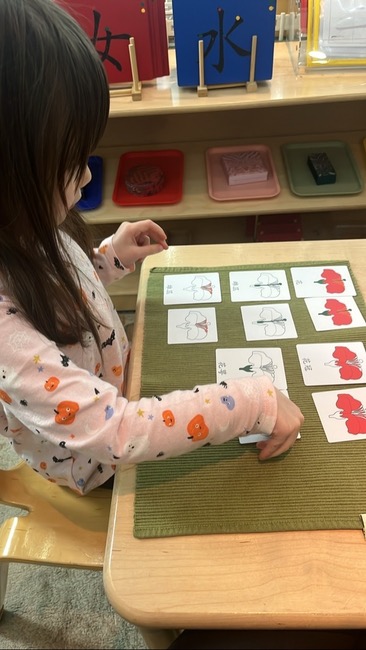
From “Wiping Tables” to World-Changing Work: Reframing Early Childhood Teaching
Early childhood teaching is often misunderstood.
From the outside, it can look simple. Children wiping tables. Teachers tying shoes. Small chairs. Snack preparation. Familiar routines repeated day after day. To those unfamiliar with early childhood development, the work can appear basic or even mundane.
But anyone who has spent time in a high-quality early childhood classroom knows that what is happening beneath the surface is anything but small.
The Work You See Is Not the Work That Matters Most
Yes, children wipe tables. They pour water. They clean spills. They return materials to the shelf again and again.
What is less visible is what those moments are building.
Each time a child wipes a table, they are practicing coordination, sequencing, and follow-through. They are learning to care for a shared space. They are developing a sense of responsibility and pride in their work and themselves. They are strengthening the foundations for focus, independence, and self-regulation.
Teachers are not simply overseeing these moments. They are observing carefully, deciding when to step in and when to step back, offering just enough support to allow a child to succeed independently. This discernment is intentional and deeply skilled.
What Happens in the Bathroom Matters More Than You Think
Bathrooms are rarely mentioned when people talk about education, yet they are one of the most formative spaces in an early childhood classroom.
For young children, the bathroom is not just about hygiene. It is about independence, privacy, body awareness, and trust. It is where children learn whether their needs are respected, whether mistakes are met with patience, and whether they are capable of caring for themselves.
When a teacher supports a child through toileting, they are doing far more than managing logistics. They are observing readiness, offering guidance without taking over, and responding calmly to accidents without shame. They are helping a child build confidence in their body and in themselves.
These moments require deep emotional intelligence and attunement. A rushed or dismissive interaction can create anxiety that lingers. A calm, respectful one can quietly build self-trust that lasts for years.
Teaching Young Children Is Highly Skilled Cognitive Work
Early childhood teachers are constantly making complex decisions. They observe behavior, language, movement, and emotional cues simultaneously. They adjust lessons in real time. They anticipate transitions. They support social dynamics before conflict escalates. They individualize learning in a room full of children who are all developing at different rates.
This work requires a deep understanding of child development, executive function, emotional regulation, and learning theory. It also requires presence, patience, and consistency.
The fact that it often looks calm is not an accident. Calm is the result of expertise.
Small Moments Shape Lifelong Patterns
The early years are when children form their first beliefs about themselves as learners and as people. They begin to understand whether effort matters, whether mistakes are safe, whether their voice is heard, and whether they belong.
A teacher guiding a child through frustration, encouraging persistence, or modeling respectful communication is shaping how that child will approach challenges long after they leave the classroom.
World-changing work does not always look dramatic. Often, it looks like consistency, patience, and care in moments that seem small but are deeply formative.
Why Respect for This Work Matters
When early childhood teaching is valued and understood, we begin to see the extraordinary depth of the work educators do each day. Early childhood educators build foundational skills that shape how children learn, relate, and see themselves in the world. Through close observation, patience, and deep knowledge of child development, they come to understand each child’s strengths, sensitivities, motivators, and emerging independence.
Educators across many fields acknowledge this depth of work. Even those who teach older students often note that early childhood education requires an exceptionally high level of skill, patience, and emotional intelligence. Teaching young children is complex, relational work that asks educators to meet developing minds and nervous systems with clarity, adaptability, and care.
This work requires time, presence, and consistency. High-quality early childhood education is designed to unfold slowly and intentionally, allowing children to build trust, confidence, and emotional security. Protecting uninterrupted learning time is an essential part of this process, as it honors both the child’s experience and the educator’s role in guiding it.
The outcomes we hope for in older children and adults are built quietly during these early years through relationships, rhythm, and respect. When we protect this work, we are ultimately protecting the child.
Reframing What We Value
If we value independence, we must value the teachers who nurture it from the very beginning. If we value empathy, we must respect the work of those who model it daily. If we value leadership and innovation, we must recognize where those qualities first take root.
Early childhood education is not preparation for real learning. It is real learning.
The tables children wipe today are not the point.
The humans they are becoming are.