 Philadelphia Chinese Academy is proud to be the
 Philadelphia Chinese Academy is proud to be nominated as an Honoree for Language Immersion by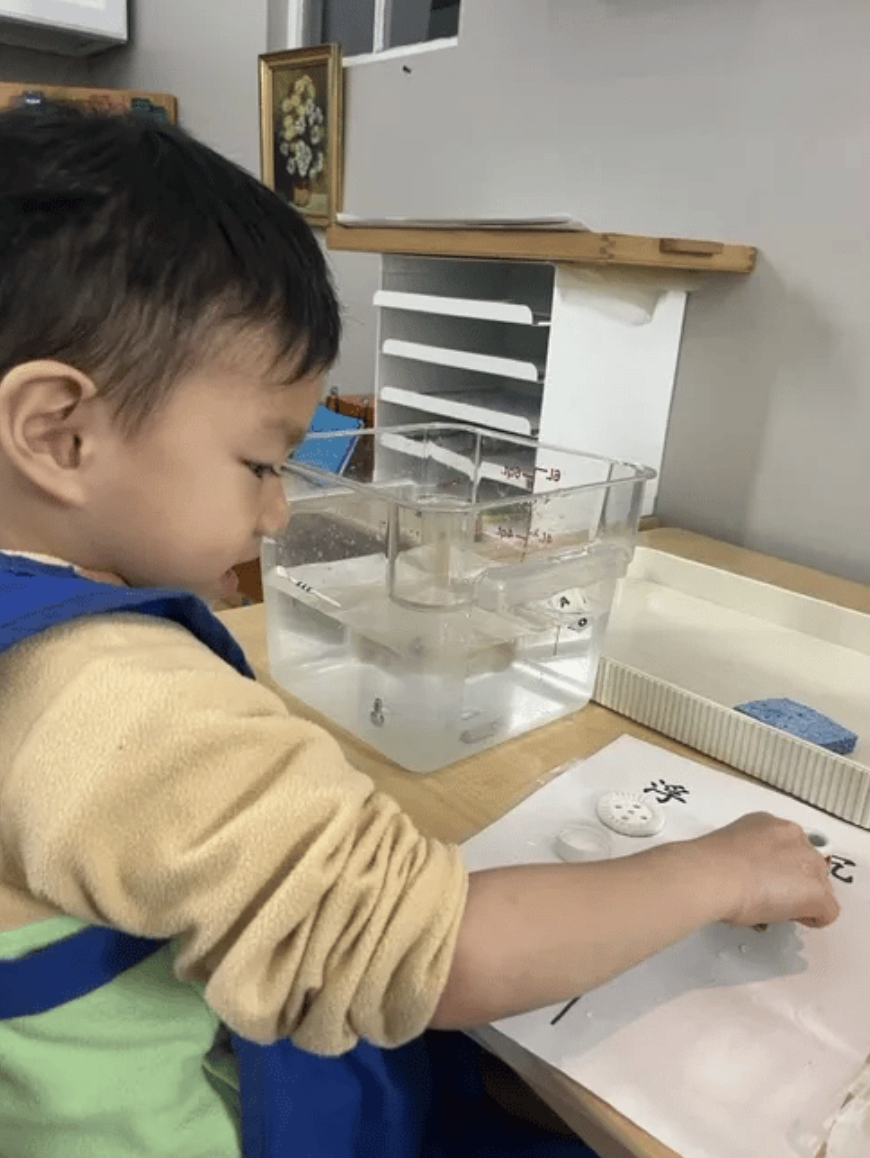
The Elements of a Montessori Classroom (and How to Gently Mirror Them at Home)
When parents step into a Montessori classroom, many notice right away that it feels different. The room is calm but active. Children move with purpose. Teachers observe rather than direct. There is a sense of order without rigidity and freedom without chaos.
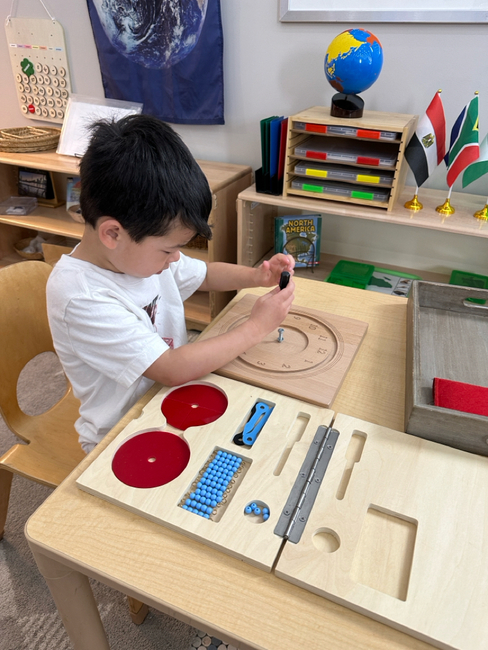
For families who have participated in an Early Learning observation day, this difference often becomes especially clear. You may have noticed how quiet the room feels, not because children are being asked to be silent, but because they are deeply engaged. Children carefully writing Chinese characters, counting beads with focused attention, or polishing materials with patience and pride. The atmosphere can feel almost magical the first time you witness it.
What often surprises families is that this level of focus is not created through control or constant direction. Montessori is not defined by specific materials alone. It is shaped by a set of principles that support how children naturally learn and develop, with the environment playing a central role. These same principles can be mirrored at home in simple, realistic ways, without buying special furniture or turning everyday life into a lesson.
These principles show up in the classroom through:
- independence and self-direction
- freedom within clear, predictable limits
- hands-on, real-life learning
- respect for concentration and individual pace
- order, rhythm, and routine
- observation before intervention
- a strong sense of community and belonging
A Prepared Environment That Invites Independence
In a Montessori classroom, everything is intentionally placed so children can access what they need without adult intervention. Materials are visible, shelves are low, and each item has a clear purpose and place. This structure allows children to act independently and confidently within clear boundaries.
This is one of the main reasons the classroom feels so calm during observation days. When children know where things belong, can move freely, and are trusted with meaningful work, they rise to meet that trust. The environment does not demand focus from children. It invites it.
At home, this might look like keeping a small number of toys or activities available at one time, placing everyday items within your child’s reach, or creating simple routines around where things belong. When children know what is expected of them and can act independently, they naturally take greater responsibility for their environment.
Freedom Within Clear and Predictable Limits
Montessori classrooms offer children meaningful choice, but those choices exist within consistent expectations. Children are free to choose their work, move around the room, and work independently or with others, while learning to respect the space, the materials, and one another.
This balance is often what parents notice during observations. Children are not being told what to do moment by moment, yet the room remains orderly and focused. Freedom paired with clear limits allows children to feel both empowered and secure.
At home, this can be mirrored by offering limited choices that feel manageable for everyone. Rather than open-ended decisions, children might choose between two outfits, two snacks, or two activities. This kind of freedom builds confidence while still providing the structure children need to feel grounded.

Hands-On Learning Rooted in Real Life
Montessori learning is deeply hands-on and connected to real-world experiences. Children pour water, prepare food, clean tables, and care for plants because these activities build coordination, focus, and a sense of contribution.
At school and at home, hands-on learning often includes:
- pouring and food preparation
- setting and clearing tables
- folding laundry
- watering plants
- caring for shared spaces
These are often the moments that stand out during observation days. A child fully absorbed in polishing a mirror or carefully counting beads is not just completing a task. They are building concentration, pride, and a sense of purpose.
At home, inviting children into everyday routines like cooking, setting the table, or watering plants helps them feel capable and included. These moments may take longer than doing things yourself, but over time, they become true investments. Children develop sequencing, patience, and confidence, and eventually they often save you time, sometimes even doing things better than you would.
Respect for the Child’s Pace and Concentration
In the classroom, children are given time to work through activities without unnecessary interruption. Teachers observe closely and step in only when support is needed. This respect for concentration is what allows children to reach such deep levels of focus.
During observation days, this often shows up as long stretches of quiet engagement. Children are not rushed. They are trusted to complete their work in their own time, which builds perseverance and confidence.
At home, this might mean allowing your child to finish an activity without rushing, even if it looks different than you expected. It can also mean noticing when your child is deeply engaged and protecting that time by delaying questions or transitions whenever possible.
Order, Predictability, and Rhythm

Montessori classrooms follow a consistent daily rhythm, which helps children feel safe and oriented. Order in the environment and predictability in the schedule allow children to relax into learning rather than constantly adjusting to change.
This rhythm is often what gives the classroom its peaceful feel during observations. Children know what comes next. They understand the flow of the morning. This sense of predictability supports calm focus and emotional regulation.
At home, maintaining simple routines around mornings, meals, and bedtime can have a powerful effect. Children often thrive when they know what to expect, even when the routine itself is flexible. Rhythm does not mean rigidity nor over direction. It means reliability.
Observation Before Intervention
Montessori teachers spend a great deal of time observing children. This allows them to understand what a child is working on internally before stepping in to help. Observation creates space for problem-solving and resilience.
Parents can practice this at home by pausing before offering solutions. When a child struggles, giving them a moment to work through it, or asking what they think might help, supports confidence and independence. Often, children surprise us with what they are capable of when given the chance.
A Sense of Contribution and Belonging

Children in Montessori classrooms are active participants in their community. They care for their space, help one another, and take pride in their environment. This sense of belonging builds respect and empathy.
During observation days, this often shows up in small but meaningful ways. Children helping a peer, returning materials to their place, or taking responsibility for classroom tasks. These moments reflect a deep sense of ownership and care.
At home, inviting children to contribute in age-appropriate ways reinforces the idea that they are capable and valued members of the family. Small responsibilities help children feel connected and confident in their role.
Bringing Montessori Home Without Pressure
Mirroring Montessori at home does not require perfection, special materials, or a complete lifestyle shift. It begins with intention, respect, and trust in your child’s abilities.
When children experience consistency between school and home through independence, respect, rhythm, and meaningful participation, they feel grounded and capable. These elements support not only academic growth, but emotional well-being and confidence.
Montessori is not something children leave behind at the classroom door. It is a way of seeing and supporting who they already are.
One small example of this comes from a familiar IKEA moment.
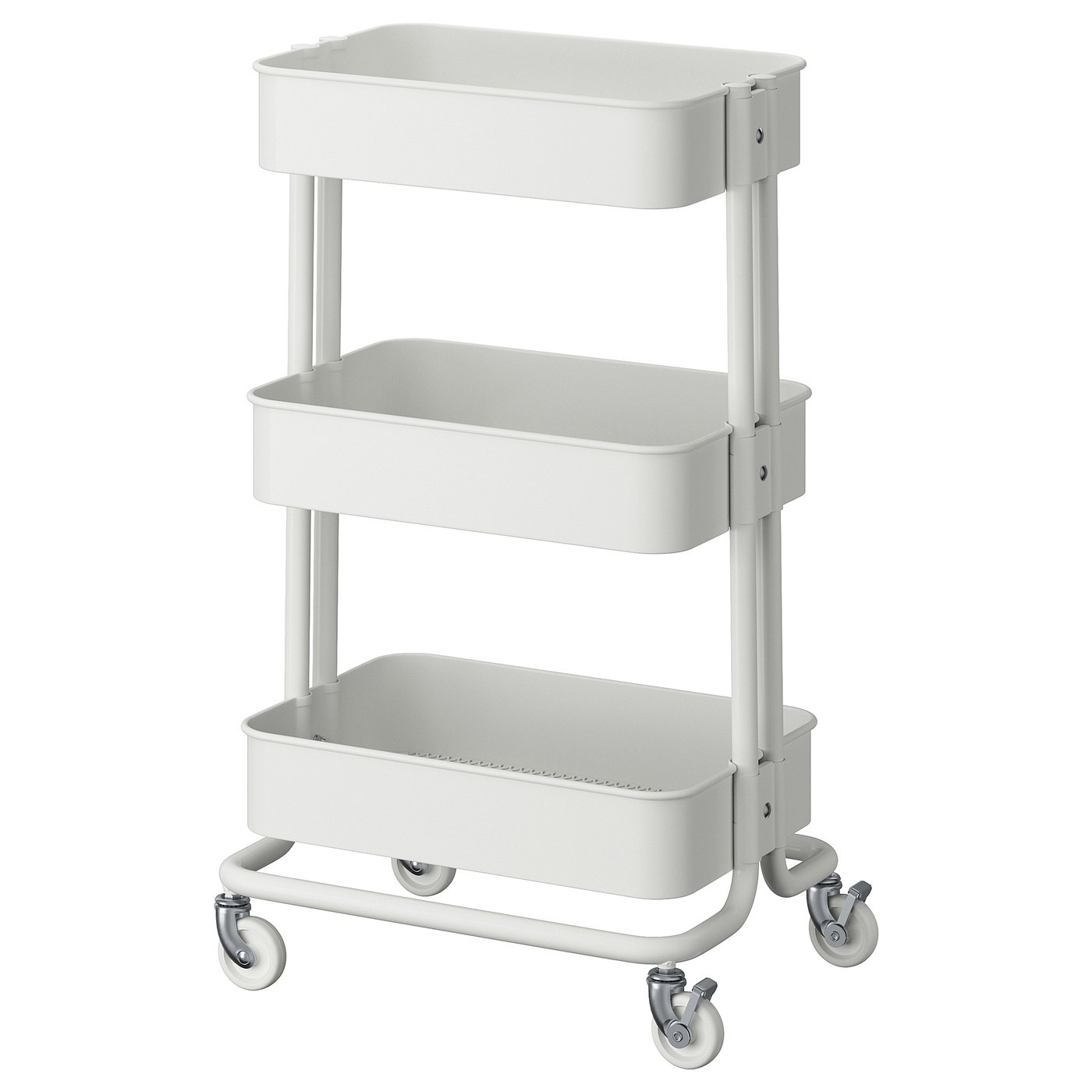
While assembling a RÅSKOG utility cart, a *recovering helicopter parent* resisted the urge to step in and instead slowed down, allowing a seven-year-old who had graduated from PCA to take the lead. The process was careful and imperfect at first.
There were a few small errors along the way, but with time, the child completed the task independently. Since then, that same child approaches everyday tasks differently.
Instead of rushing in, she asks, “Can I have a lesson on that?” whether it’s cooking a fish or helping with a household project. She understands that learning comes before doing, and that patience leads to mastery.
When a second cart was purchased later, she assembled it entirely on her own. What mattered most was not the finished cart, but the foundation that had been built: the ability to sequence steps, stay focused, and trust herself through mistakes.