 Philadelphia Chinese Academy is proud to be the
 Philadelphia Chinese Academy is proud to be nominated as an Honoree for Language Immersion by
 Top 10 Tips: How to Partner with PCA to Support Your Child’s Social and Emotional Development
We hear this all the time:
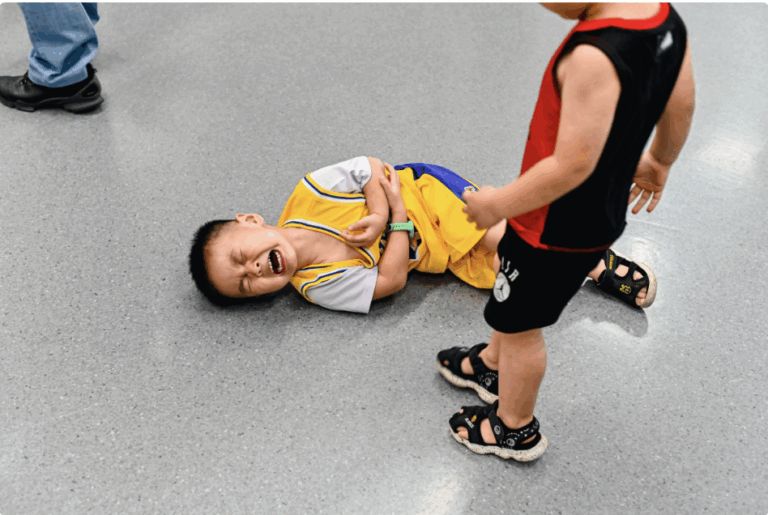
“My child is different at school than home.”
Parents often report that positive, independent, responsible behaviors that we observe and report in the classroom do not extend to the home environment.
The first thing we tell parents is:
- This is normal.
- It shows your child feels safe and relaxed at home.
- Home is their safe space to decompress.
That said, no one wants a Jekyll/Hyde situation. The key is consistency. When parents and teachers align on developmental approaches, children feel safe, respected, and empowered.
🧠 1. Maintain Open Communication with Teachers
- Check in regularly to understand your child’s social progress.
- Ask about strengths, challenges, and how to support at home.
- Use Brightwheel or email to request a deeper conversation.
🕰️ 2. Follow Consistent Routines at Home
- Morning and bedtime routines foster predictability and calm.
- Mirror school routines at home using habit stacking.
- Predictability reduces stress and supports emotional regulation.
🎯 3. Encourage Independence
- Let children make age-appropriate decisions.
- Provide responsibilities like setting the table or choosing clothes.
- Empowering them builds confidence and mirrors PCA’s classroom practices.
💬 4. Build Emotional Vocabulary
- Name and validate feelings out loud.
- Use phrases like: “You seem upset—want to talk about it?”
- Offer empathy and help them express emotions with words.
🌿 5. Demonstrate Leadership
- Model calm responses to stress.
- Use respectful communication and active listening.
- Children mimic the behavior they see from parents and teachers.
👫 6. Create Opportunities for Positive Social Interactions
- Arrange playdates or cooperative games.
- Reinforce sharing, turn-taking, and kindness.
- Compliment specific behavior: “You waited your turn so patiently!”
🪞 7. Enable Self-Reflection
- Ask about their day: What made you proud today? What was tricky?
- Encourage reflection to promote self-awareness and communication.
📚 8. Read and Discuss Social Stories
- Choose books or shows with social/emotional themes.
- Ask questions like: “How do you think that character felt?”
- Fiction helps children explore empathy without feeling singled out.
🌈 9. Foster Empathy Through Community
- Encourage acts of kindness and contribution at home.
- Let them help with chores, donate toys, or make thank-you cards.
- These actions build a sense of belonging and emotional awareness.
🎓 10. Attend Montessori Parent Education Workshops
- Learn how PCA approaches development, bilingualism, and resilience.
- Connect with other families and get tools to support at home.
When Montessori methods are consistent at home and school, children thrive. A strong PCA-parent partnership helps your child feel secure and respected, leading to emotional resilience, independence, and social growth.
Just like adults, kids need time to decompress. Giving them a consistent, respectful environment is one of the best gifts we can offer and it starts with how we partner together.