 Philadelphia Chinese Academy is proud to be the
 Philadelphia Chinese Academy is proud to be nominated as an Honoree for Language Immersion by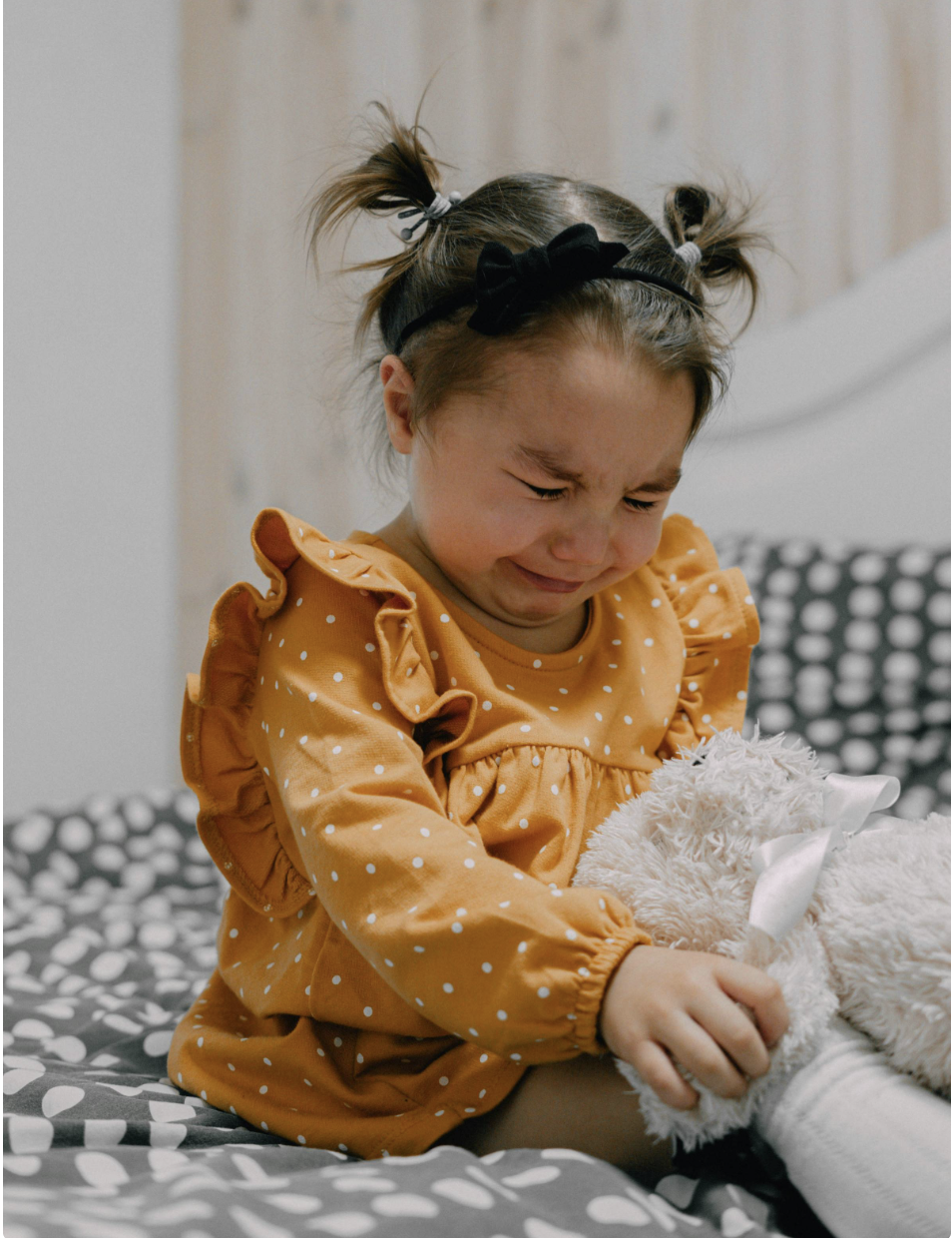
Discipline, Montessori Style: Managing Behavior at Home

Discipline often gets a bad rap. It’s commonly associated with scolding, deprivation, and punishment. But the word “discipline” comes from the Latin disciplina, meaning instruction, and discipulus, meaning student. At PCA, we fully embrace this original meaning.
As a Montessori school, we believe discipline is not about control, it’s about learning. Through supportive, respectful discipline, children learn appropriate behavior, develop self-control, and build lifelong emotional regulation skills. It’s not about punishment, it’s about growth.
🚫 The Problem: Why Traditional Discipline Falls Short
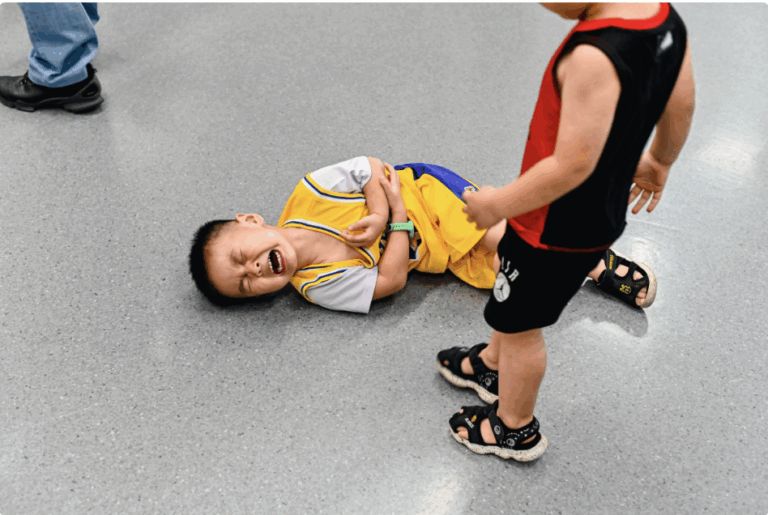
Parents often try time-outs, revoked privileges, or threats like “no dessert” to manage difficult behavior. These might stop the behavior momentarily, but they rarely teach the right lesson.
Take this common example:
- A child refuses to put on their coat.
- A parent takes away a toy to enforce compliance.
- The child puts on the coat but only to get the toy back.
What’s the child really learning?
- Not the importance of staying warm or being cooperative.
- Instead, they learn that a toy equals control, coats have nothing to do with it.
This leads to:
- Power struggles and confusion
- More defiance and frustration
- A strained parent-child relationship
And worst of all, no long-term change in behavior.
✅ The Solution: Montessori-Inspired Discipline
At PCA, we use Montessori-style discipline that teaches respect, empathy, and accountability. You can do the same at home.
Here are our top five tips:
Set Clear Boundaries
Children thrive on structure. Clear, age-appropriate rules and expectations create a sense of safety.
Tips:
- Explain rules in calm, simple language
- Enforce them with firm but kind consistency
Stay Consistent
Children feel secure when routines and responses are predictable.
Tips:
- Stick to regular schedules
- Follow through on expectations
Let Natural Consequences Teach the Lesson
Instead of punishments, let the world teach.
Example:
- If a child refuses to wear their coat, let them feel a bit chilly (as long as it’s safe).
- Follow up with empathy: “It felt cold, didn’t it? That’s why we wear coats!”
- Avoid shame. Say, “Next time, what could we do differently?” instead of “I told you so.”
Use Specific, Positive Reinforcement
Recognize progress by highlighting exactly what they did well.
Instead of: “Good job!”
Try: “You worked so hard putting your coat on all by yourself—I’m proud of how independent you were.”
This builds:
- Motivation
- Confidence
- A lasting sense of accomplishment
Collaborate on Solutions
Involve your child in the process. When children help problem-solve, they feel ownership and are more likely to follow through.
Try saying:
- “What should we do next time when it’s time to leave the house?”
- “How can we make that easier for you?”
Conclusion: Discipline = Learning
Montessori-style discipline is built on mutual respect, patience, and trust. It empowers children to grow—not just comply.
By using these techniques:
- You avoid power struggles
- You foster emotional maturity
- You build stronger, more connected family relationships
At PCA, we believe every child is capable, every behavior is communication, and every moment is a chance to teach.
Discipline isn’t about control…it’s about connection.