 Philadelphia Chinese Academy is proud to be the
 Philadelphia Chinese Academy is proud to be nominated as an Honoree for Language Immersion by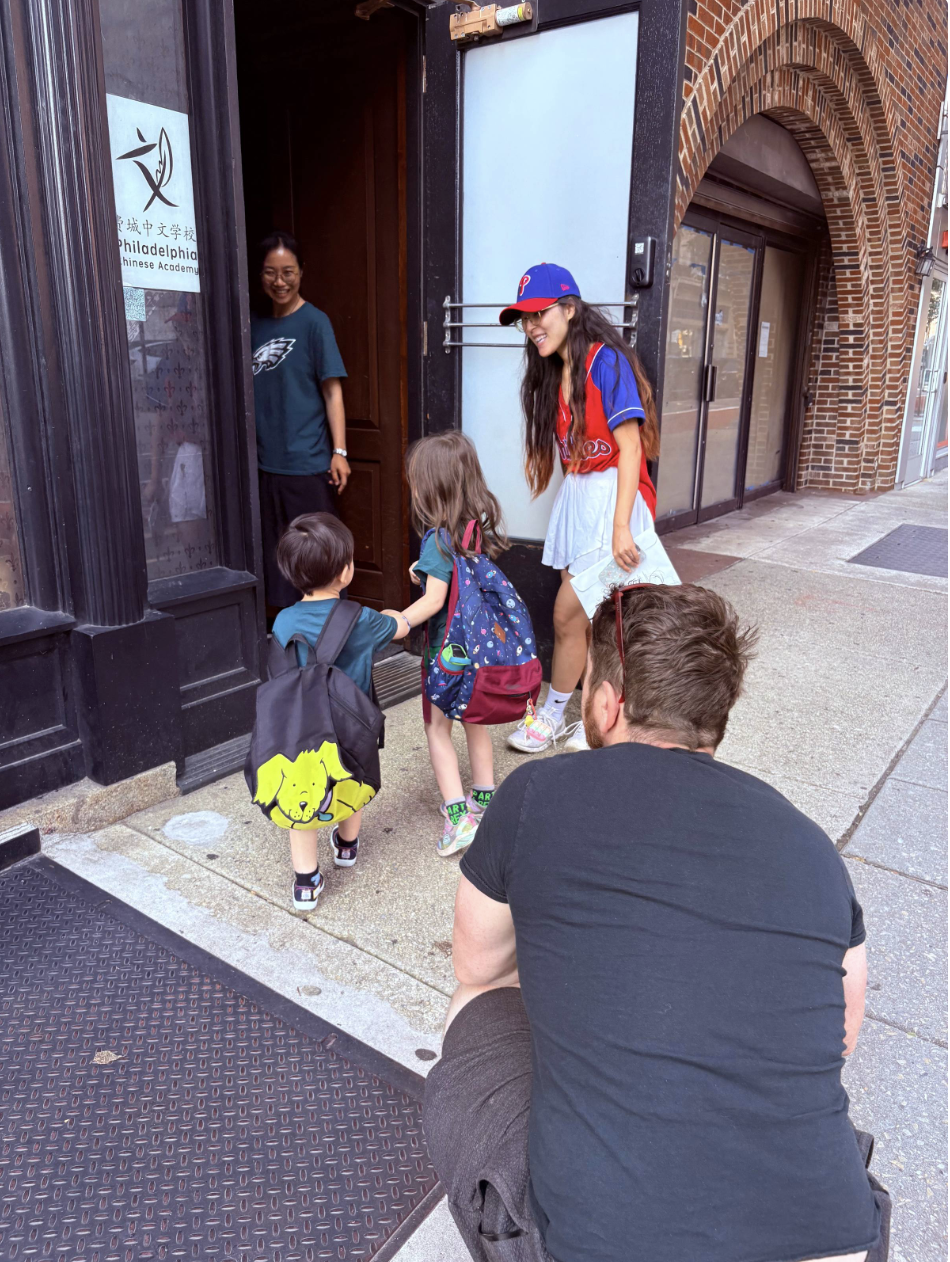
The Problem: Tired Mornings, Tardy Starts
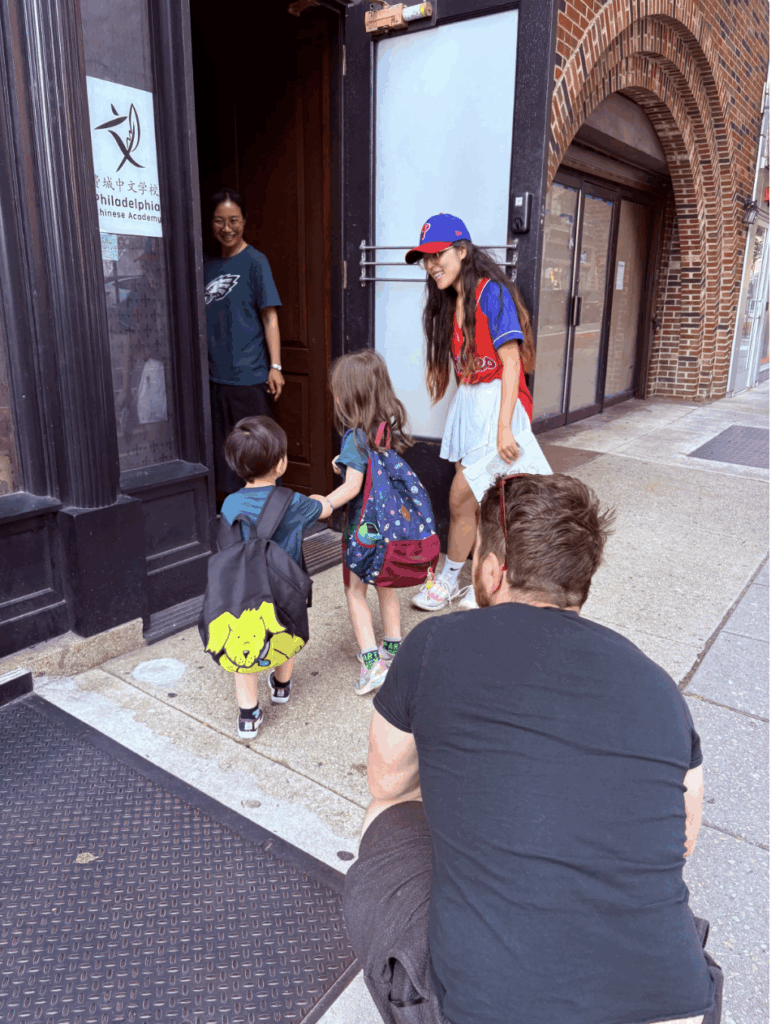
When children have trouble waking up in the morning, the whole day can be derailed. Delay compresses the morning routine, leaves insufficient time for breakfast, dressing, and other important daily preparations, and brings stress. Often, this pattern causes children to be late for school, which is a major problem.
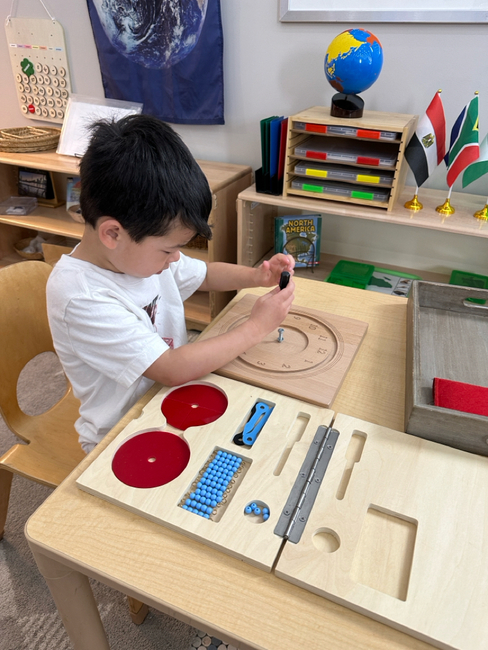
In a Montessori classroom, the day begins with intention and calm. When students arrive late, they miss:
- Essential introductory activities
- The time and space to choose, set up, and complete their work
- Opportunities to enter the day grounded and regulated
Simply put, they start the day behind and struggle to recover. On top of that, parents must consider their investment when students miss parts of their school day, it means missed value.
🧭 The Solution: A Montessori-Inspired Approach
At PCA, we embrace the Montessori philosophy fully. That means:
- Seeing each child as an individual
- Meeting them with empathy, not force
- Encouraging independence while offering support
So what happens when your child just doesn’t want to get up? We encourage parents to become gentle detectives. Ask yourself:
- Is bedtime too late?
- Do they have downtime when they get home?
- Is your morning routine rushed or inconsistent?
💬 Respectful Communication Starts It All
Respect is one of PCA’s core values. Children feel safer and calmer when they know what to expect. That means:
- Wake your child calmly, with a gentle voice or music
- Avoid harsh alarms or jarring commands
- Create a predictable, loving start to the day
Help them name how they feel: tired, nervous, excited and explain the importance of being on time, just like you or their teachers. Punctuality is a life skill, not just a school rule.
✅ Empowering Small Choices
Children don’t control much of their day, but you can give them meaningful decisions like:
- Choosing their outfit
- Picking breakfast or a snack
- Selecting their goodbye ritual (hug, high-five, wave at the door)
Even small moments of autonomy build trust, confidence, and cooperation.
📅 Create a Routine That Works for Your Family
Consistency is everything. Set a clear, repeatable morning rhythm that helps your child feel safe and in control.
Tips:
- Discuss your family routine in advance during a weekend “team meeting”
- Let your child help plan or prep the night before
- Use visual charts or simple checklists for toddlers and young children
When children know what’s coming, they meet the day with more ease and confidence.
👟 Encourage Independence
Let your child take the lead on simple responsibilities. It could start with:
- Laying out clothes
- Packing their school bag
- Helping make breakfast or set the table
These rituals become grounding and joyful parts of the morning.
If mornings are tight, try:
- Audiobooks in the car
- Snack in the stroller
- A calm song to start the drive
🌟 Use Positive Reinforcement (The Right Way)
Celebrate effort, not just results. Instead of vague praise like “Good job,” try:
- “I love how you picked a warm outfit for today.”
- “Thank you for setting the table all by yourself.”
- “You noticed the time and brushed your teeth right on schedule!”
This helps children take pride in their contribution and feel seen.
✨ Cultivate a Positive Mindset About School
Frame school as a place of growth, connection, and joy. Help your child look forward to:
- Friends and social time
- Hands-on activities
- Their favorite learning materials
But if your child seems anxious or upset, don’t brush it off. Create space for honest conversations. Ask your teacher for help. Emotional safety always comes first.
🧘 Stay Calm and Lead with Patience
Mornings are tough. We get it. But yelling never makes it better. If you’re late, behind, or stressed, take a breath and model what regulation looks like. Your child is learning how to handle stress from you.
Remember:
- Your tone sets the tone
- Your calm helps them find theirs
- Your leadership matters more than perfection
❤️ Consistency Is the Key
There’s no one-size-fits-all fix. Each family is different. But all children thrive with:
- Structure
- Connection
- Gentle accountability
By bringing Montessori principles into the home, especially in the morning, you’re creating a bridge between school and life—and helping your child show up ready to learn.