 Philadelphia Chinese Academy is proud to be the
 Philadelphia Chinese Academy is proud to be nominated as an Honoree for Language Immersion by
 Is Montessori Too Lenient on Tantrums and Other Behavior Issues?

The Montessori Approach to Behavior
The Montessori method is not too lenient when addressing behavior issues like tantrums and defiance. Instead, it uses a respectful and supportive approach rooted in core principles like empathy, consistency, and structure.
At PCA, we understand that occasional meltdowns are a natural part of childhood. We respond with compassion, not punishment and over time, this helps children build resilience, empowerment, empathy, and independence.
Tantrums Happen: Here’s How We Handle Them
Children will inevitably have tantrums, go through oppositional phases, or act defiantly. The key is to respond with calm, consistent guidance that avoids shaming and helps children recover safely. We know it’s hard in the moment, especially when spaghetti is flying, but the long game matters. Here’s how to play it:
Understand the Child’s Perspective
Use respectful observation to identify patterns:
- Do tantrums occur during transitions?
- Are they triggered by hunger or poor sleep?
- Could they stem from anxiety or overstimulation?
Once you identify the root causes, you can begin to support your child more effectively.
Empathize and Validate Emotions
Montessori emphasizes validating emotions without judgment. Let your child know you see and understand their feelings. This builds trust and emotional safety.
Teach Emotional Regulation
Offer calming strategies tailored to your child:
- Breathing exercises
- Squeezing a pillow
- Jumping in place
Each child is different—meet them where they are.
Model Calm Behavior
Children learn by watching adults. When you model healthy responses to stress and frustration, they learn to do the same. Leadership starts with you.
Provide Structure and Consistency
At PCA, a predictable daily routine helps children feel secure. Boundaries are clear, expectations are consistent, and transitions are smooth. This stability helps reduce defiant behavior.
At home, stick to consistent schedules and clearly communicated rules. The more predictable life is, the less a child will feel the need to act out.
Encourage Independence Through Choice
Offering limited choices gives children a sense of control. Try:
- “Do you want the red or blue pajamas?”
- “Would you like to take a bath or read a story first?”
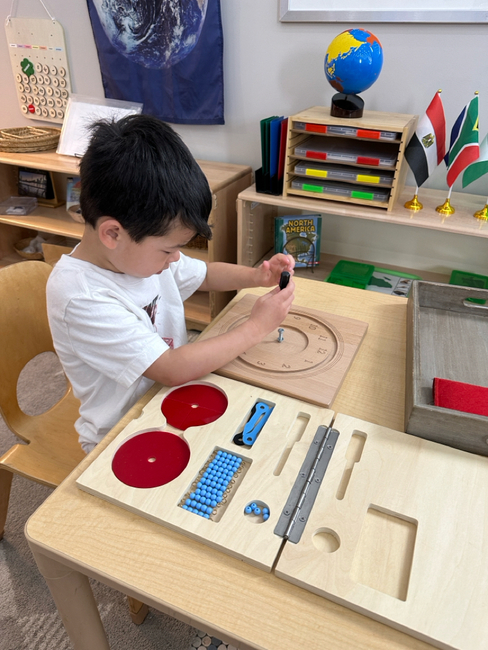
This approach mirrors PCA’s Montessori environment, where students select their own work and decide when to take breaks within a structured setting.
Let Natural Consequences Do the Teaching
Montessori allows children to experience the natural outcomes of their actions—safely and with support. This helps them learn cause and effect without shame.
Reinforce the Positive
Praise specific actions:
- “Thank you for sharing your toys with your sister.”
- “I’m proud of how you waited your turn at dinner.”
Skip vague praise like “Good job”—be intentional so your child knows exactly what to repeat.
Collaborate and Problem-Solve
When issues arise, talk them through together. Involve your child in finding a better solution. This teaches accountability and builds problem-solving skills.
Partnering With Parents
PCA’s teachers work closely with families to align strategies between school and home. When adults present a united, respectful front, children feel supported and secure across all environments.
Final Thoughts
Some misbehavior is inevitable. Children are learning and growing constantly—it can be overwhelming. But with respect, empathy, structure, and patience, we can guide them through the hardest moments.
Try the strategies above at home. And if you need help, reach out, we’re here to support you every step of the way.