How Should Parents Handle Picky Eaters?
Trust This: Children Won’t Starve Themselves
Picky eating is a completely normal part of child development. It often ties to independence, control, sensory preferences, or even genetics. While frustrating in the moment, it’s usually just a phase. Most children grow out of it and eventually expand their palettes.
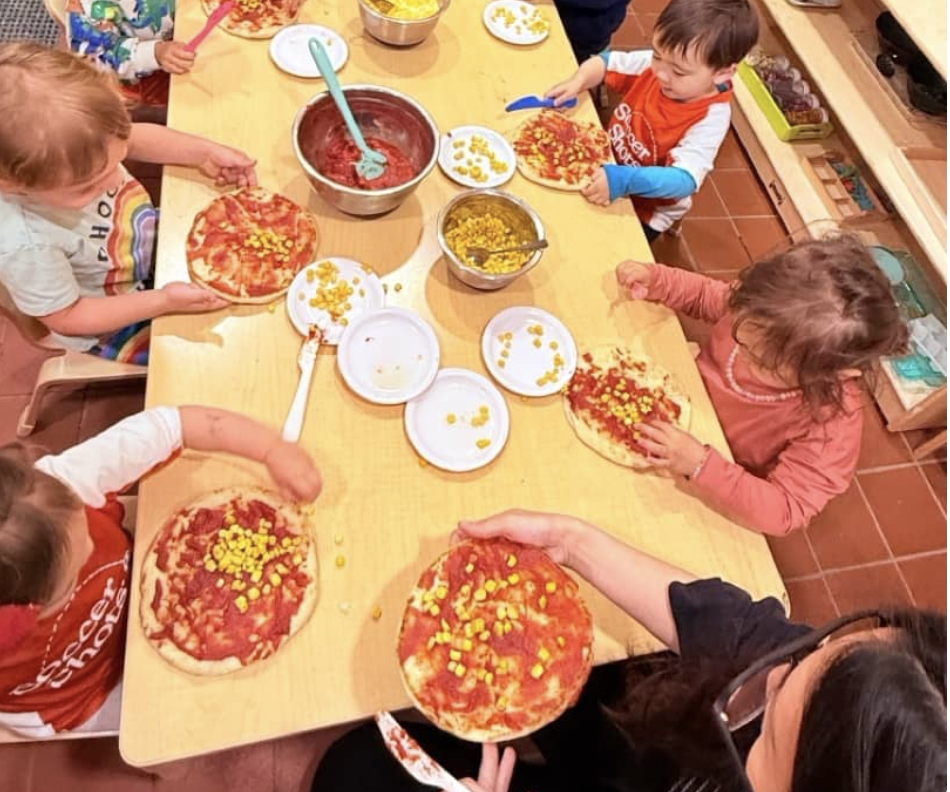
At PCA, we support families through every stage including this one. Our meal and snack program prioritizes nutrition, but just as importantly, it encourages independence and responsibility. From the infant classroom onward, children help prepare and serve snacks, building curiosity and comfort with new smells, textures, and tastes.
We also mix foods intentionally. This helps children avoid developing sensory-based food aversions like the infamous “my food can’t touch” issue. Parents can reinforce this practice at home, creating consistency and a sense of ease around food.
🍓 Pressure-Free Plates: The Role of Parents
Feeding styles matter. When parents pressure kids to eat, offer bribes, or use food as punishment, they often create negative associations with mealtime. For example:
- “If you eat your broccoli, you can have ice cream” makes broccoli seem like a chore rather than a food to enjoy.
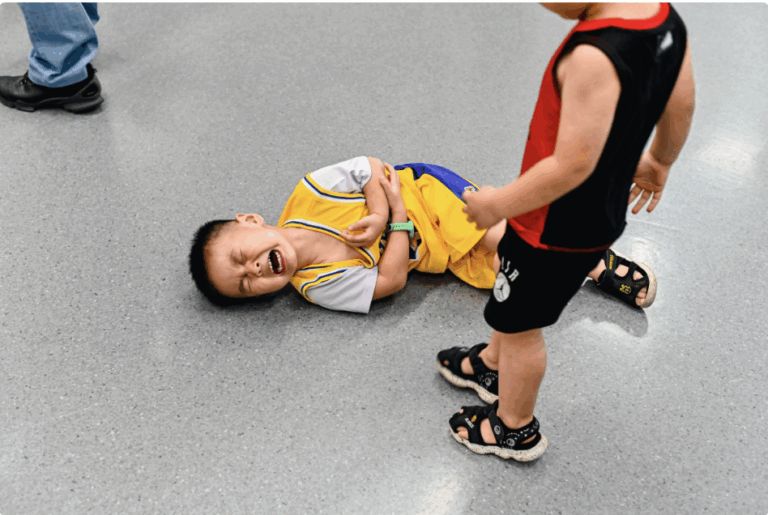
- Overreacting to refusal can escalate the power struggle, turning mealtime into a battleground.
Instead, try this:
- “Eat if you’re hungry.”
- “Try it, you might like it.”
- “You don’t have to eat it now, but it’ll still be here if you get hungry later.”
Keep a relaxed tone. The more calm you are, the more your child learns to regulate their own choices around food.
🧠 What Kids Hear, They Learn
Parents’ food commentary matters. When children hear things like:
- “Fish is gross.”
- “Spicy food hurts.”
- “Pasta makes you fat.”
- “I hate mushrooms.”
They start to internalize those opinions even if they haven’t tried the food themselves.
Children model what they see. If they observe adults and siblings enjoying a wide variety of food, they are much more likely to give new things a try.
🥣 It’s a Marathon, Not a Sprint
Research shows it can take 10 to 15 exposures for a child to accept a new food. So don’t give up!
Start early. One of our favorite tips: make a big, nutrient-dense “mash” from whatever’s in the fridge: veggies, beans, meat, herbs and freeze small portions for easy infant meals.
And remember: just because your child didn’t like it the first five (or ten) times doesn’t mean they won’t develop a taste for it.
🌱 School Is a Secret Weapon
At PCA, we teach gratitude for food, reduce waste, and encourage trying new things. For example:
- We teach children to eat the fruit all the way around the core to avoid waste.
- Children wash, cut, plate, and serve vegetables themselves, making them more open to eating them.
- Meals are social. When kids see peers enjoying tofu or bok choy, they often follow suit.
Many parents are amazed to hear that their child who “never eats vegetables at home” devours carrots, tofu, and even salmon at school.
🧺 Set the Stage at Home
You can create the same sense of empowerment at home by:
- Stocking your fridge and pantry with nutritious options.
- Offering choices within healthy boundaries: “Would you like yogurt or an apple?” “Carrots or cucumber?”
This lets children practice autonomy while staying within your guidelines.
🍽 Table Manners and Mealtime Joy
Thanks to community mealtimes at PCA, children learn strong table manners and develop positive associations with food. When families dine out, PCA students often do well because they’ve had practice and feel comfortable at the table.
At its best, food becomes a source of joy and togetherness, not conflict.
💡 Final Takeaways for Parents
To raise healthy, adventurous eaters:
- Set consistent boundaries, but avoid pressure
- Offer variety without stress or reward systems
- Model curiosity and enjoyment of food
- Keep exposing them to new tastes and don’t give up too soon
Meals should nourish your children, but also your relationship with them. Let the dinner table be a place of peace, connection, and growth.