 Philadelphia Chinese Academy is proud to be the
 Philadelphia Chinese Academy is proud to be nominated as an Honoree for Language Immersion by
Growing Redwoods: Why Early Childhood Is About Roots, Not Branches
When we think about children growing, it’s natural to focus on what we can see: milestones, skills and outcomes. We look for evidence that learning is happening, often in the form of visible progress and what your child may want to say in Chinese.
But the most important growth in early childhood is not always visible.
Like redwood trees, children spend their earliest years building something essential beneath the surface. Long before redwoods become towering giants, they develop deep, interconnected root systems that allow them to stand tall, weather storms, and grow for centuries.
Early childhood is not about branches. It is about roots.
What Roots Look Like in Early Childhood
Roots are not flashy. They do not announce themselves. Yet they determine everything that comes later.
In young children, roots take the form of:
- a sense of safety and belonging
- trust in caregivers and teachers
- confidence to explore and try
- the ability to focus and persist
- emotional regulation
- curiosity and intrinsic motivation
These foundations are built slowly, through repetition, consistency, and meaningful relationships.
When children feel secure, they are free to grow.
Why We Cannot Rush What Grows Underground
In a world that often celebrates early achievement, it can be tempting to push children toward visible outcomes too soon. Who’s trying to get our children to read earlier, write faster or perform on demand?
But just as a redwood cannot be rushed to grow tall before its roots are established, children cannot thrive when foundational needs are skipped or hurried.
Executive function, emotional resilience, independence, and confidence are not taught through acceleration. They are cultivated through time, patience, and trust.
When roots are strong, growth above ground becomes both steady and sustainable.
The Role of Environment in Root Development
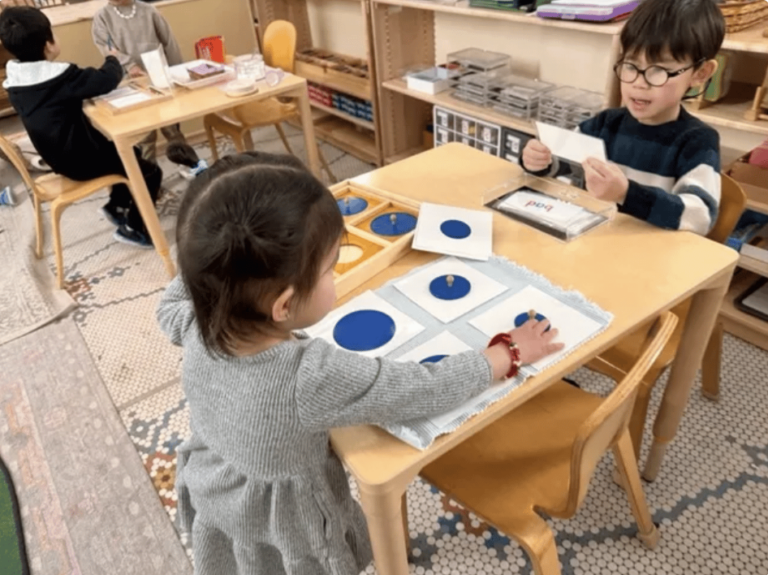
In a thoughtfully prepared early childhood environment, children are given what they need to grow strong roots. Predictable rhythms. Respectful relationships. Freedom within clear boundaries. Opportunities to contribute meaningfully.
These conditions allow children to settle, observe, and engage deeply with their surroundings. Over time, they develop trust in themselves and in the world around them.
What looks like quiet work or simple routines is often the most profound growth happening.
Why Early Childhood Is a Once-in-a-Lifetime Window
The early years offer a unique window for root development. This is when children are forming their earliest beliefs about who they are, how learning feels, and whether the world is a place they can navigate with confidence.
Once this window passes, roots can still grow, but the work becomes harder. Just as a tree with shallow roots struggles in strong winds, children without a solid foundation may find later challenges more difficult to manage.
This is why early childhood education is not about getting ahead. It is about getting grounded.
Trusting the Invisible Work
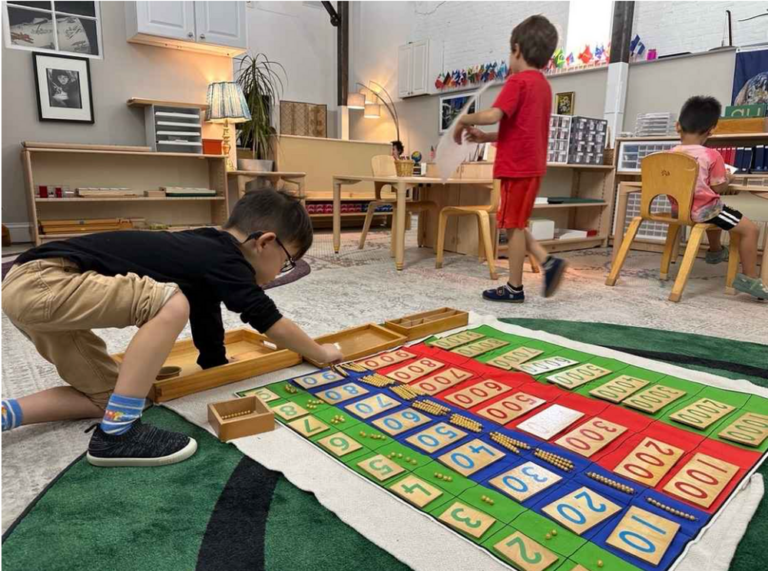
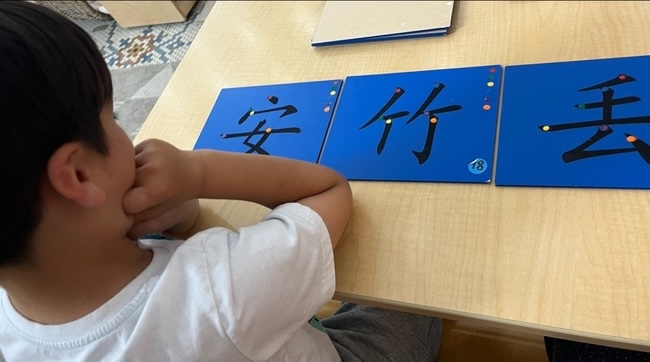
Parents often wonder if enough is happening when learning looks calm and unhurried. When children are wiping tables, pouring water, listening to stories, or working quietly with materials.
This is the work of root-building.
It is the steady, unseen growth that allows children to stand tall later on. To take risks. To recover from setbacks. To grow in their own time.
When we honor early childhood as a time for roots rather than branches, we give children the gift of resilience that lasts a lifetime.
Growing Strong Humans Takes Time
Redwoods do not grow because they rush upward. They grow because their roots intertwine, deepen, and anchor them firmly in the earth.
Children are no different.
Early childhood is not about producing results as quickly as possible. It is about nurturing the foundations that allow children to thrive long after they leave the early years behind.
When we focus on roots, the branches will come.
And when they do, they will be strong.