 Philadelphia Chinese Academy is proud to be the
 Philadelphia Chinese Academy is proud to be nominated as an Honoree for Language Immersion by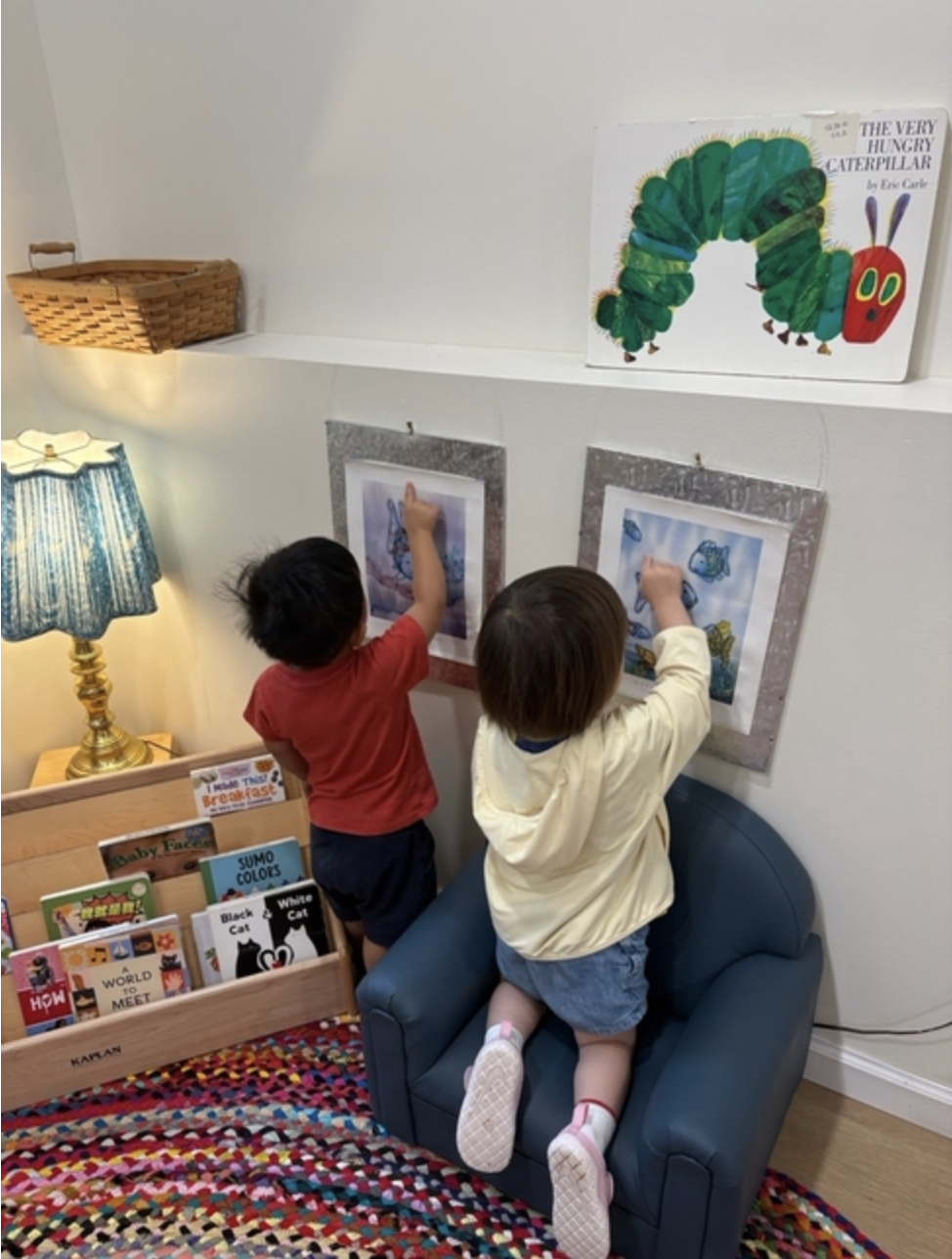
The Pressure to Raise “Perfect” Kids
Omg… did you hear that little Suzie can read at 2?
And wait, how is Winston already reciting multiplication tables at 5?
After a few minutes of scrolling through Instagram, it can start to feel like every child is ahead, every family has figured something out that you haven’t, and every moment is somehow more intentional, more optimized, more “right.”
And then the question quietly shows up:
Am I doing enough?
This pressure doesn’t come from nowhere.
We carry it with us.
From our own childhoods.
The Kumon classes. The piano recitals. The Sunday Chinese school where you were bored out of your mind but still expected to sit still and perform. The constant commentary:
“They’re eating too little.”
“Why are you dressing them like that?”
“You should be doing more.”
Even when it came from love, there was often an underlying message:
There is always a better version of you.
Now we are the parents.
We tell ourselves we are going to do it differently. We are more aware, more thoughtful, more intentional about how we raise our children.
And yet, the pressure hasn’t disappeared. It has simply changed shape.
Now it shows up as early reading benchmarks, enrichment classes, the “right” school, the “right” activities, the “right” way to do things. Instead of our parents’ voices, it is comparison that fills the space. Other children. Other families. Other versions of what success is supposed to look like.
Underneath all of that is something deeper.
It is not just a fear of our child falling behind. It is the quiet fear of passing something down.
We remember what did not feel good. The pressure, the criticism, the feeling that we were always being measured.
And we find ourselves asking:
How do I raise my child without giving them that same weight to carry?
What This Can Look Like at PCA
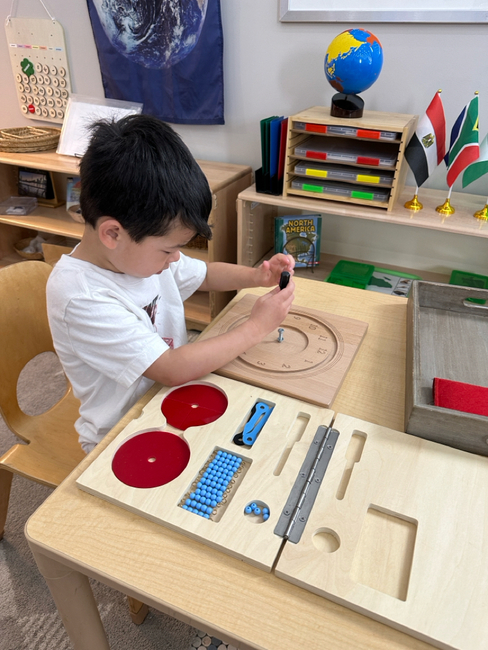
One of the things that can feel unfamiliar about a Montessori environment is that it does not rush children to perform in visible ways.
Children are not pushed to read at a certain age. They are not compared to one another. They are not praised for being ahead.
Instead, the focus is on something less visible, but more foundational.
Children are given time to build independence, to repeat work until they feel confident, to move at a pace that matches their own development. They are encouraged to care for themselves, to help others, to work through challenges, and to trust their own abilities.
From the outside, it can sometimes feel slower. But from the inside, something very different is happening.
Children are building a relationship with themselves.
They are learning that they are capable. That they can try, struggle, and try again. That their value is not tied to being first, but to being engaged, present, and growing.
A Different Kind of Question 🙋♀️
Instead of asking:
Is my child ahead?
We might begin to ask:
Does my child feel confident trying something new?
Do they know how to take care of themselves and their environment?
Do they feel safe enough to make mistakes?
Do they believe they are capable?
The goal is not to raise a perfect child.
It is to raise a child who feels secure in who they are, who can move through the world with confidence, and who does not carry the constant feeling of needing to prove themselves. Isn’t that our goals as adults as well?