 Philadelphia Chinese Academy is proud to be the
 Philadelphia Chinese Academy is proud to be nominated as an Honoree for Language Immersion by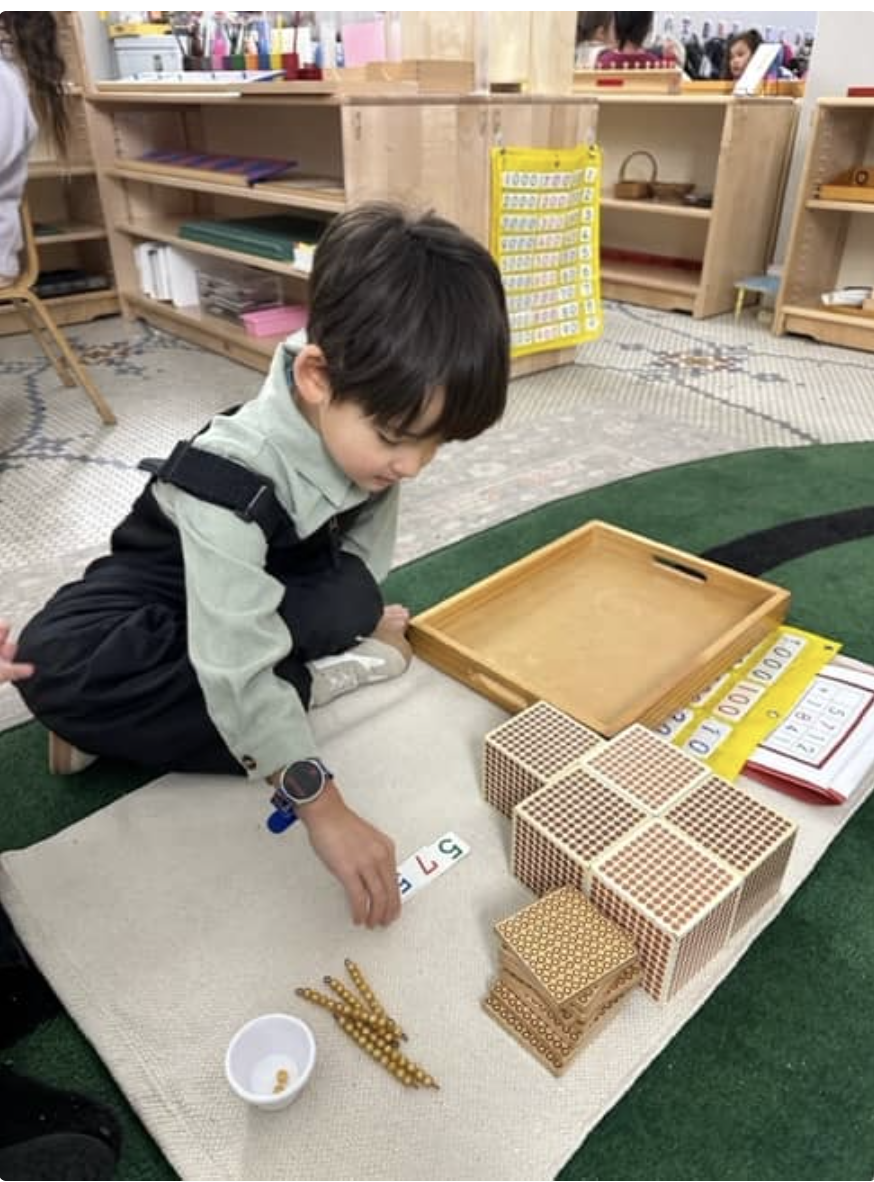
What Growth Looks Like at PCA: Milestones, Not Metrics
When parents ask how their child is growing, what they are often really asking is whether things are going well. Is my child learning? Are they on track? Are we doing enough?
And sometimes those questions sound a little more like this:
How come my child doesn’t know all their ABCs yet?
Should they be able to count to 100 by now?
Everyone else’s child seems to be reading already.
Wait… are they supposed to be tying their shoes at this age?
These questions are incredibly common. They come from care, not comparison. They also reflect how early childhood has become increasingly measured by visible skills and checklists.
In many educational settings, growth is communicated through numbers. Scores, benchmarks, percentiles, and lists of “shoulds” can feel reassuring because they are concrete and easy to track. But they only tell part of the story.
At PCA, we look at growth differently. We focus on milestones, not metrics, because the most meaningful signs of development in early childhood cannot always be captured on a chart.
Why Metrics Fall Short in Early Childhood
Young children are not developing in a straight line. Growth in early childhood is uneven, layered, and deeply interconnected. A child may appear quiet one month and suddenly expressive the next. Focus may deepen before language expands. Confidence may emerge before academic skills become visible.
Metrics often isolate skills and measure them out of context. But children do not grow in pieces. Cognitive, emotional, social, and physical development are happening simultaneously, each influencing the others.
When we rely too heavily on metrics, we risk missing the deeper story unfolding beneath the surface.
What We Mean by Milestones
Milestones are moments that signal readiness, integration, and internal growth. They are not rushed. They are not forced. They appear when a child is developmentally prepared.
At PCA, milestones often look like:
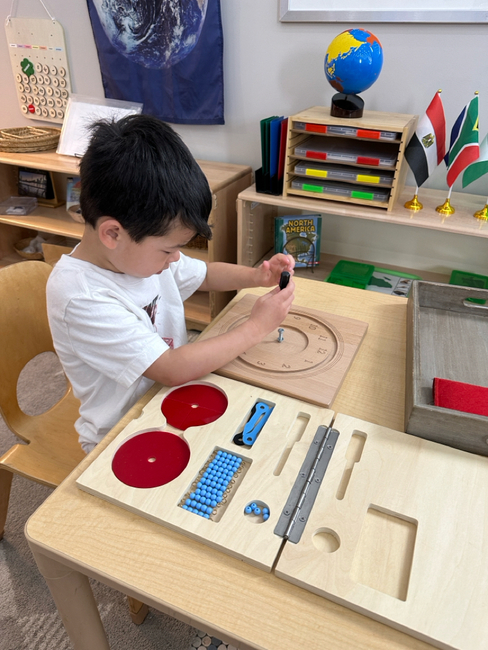
- choosing work independently and staying with it
- completing a task from start to finish
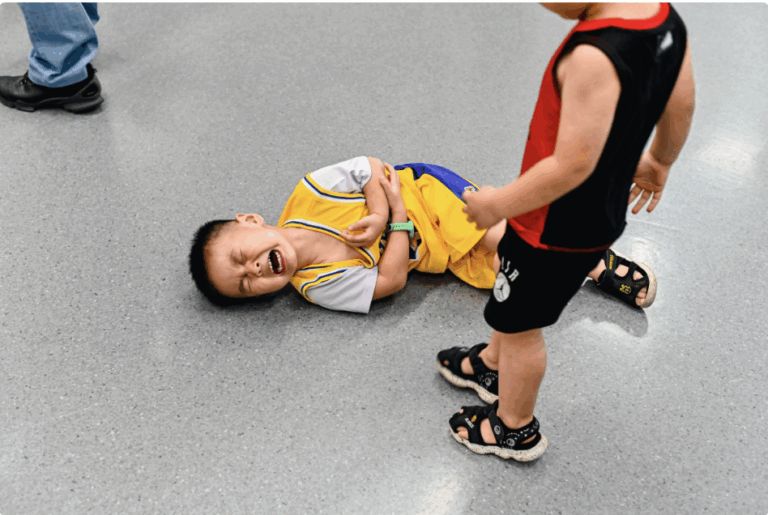
- managing frustration without immediate adult intervention
- using language to express needs or resolve conflict
- caring for materials and shared spaces
- showing pride in effort rather than outcome
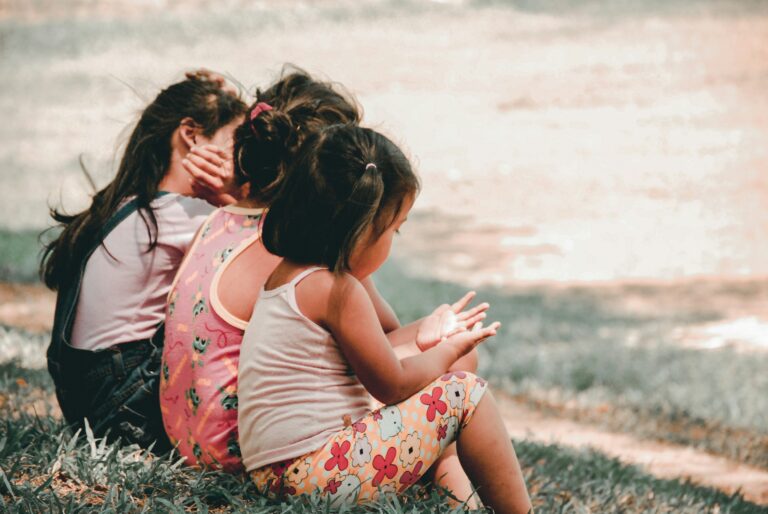
- helping a peer or asking for help appropriately
These moments tell us far more about a child’s growth than a single score ever could.
Growth Is Often Quiet Before It Is Visible
Many of the most important developments in early childhood happen quietly. A child may observe for weeks before attempting a new activity. They may listen in one language long before speaking it. They may struggle internally with persistence long before confidence appears outwardly.
This quiet work is not a lack of progress. It is preparation. Preparation produces grit.
When children are given time and trust, growth often emerges naturally and with surprising strength.
The Role of Observation in Understanding Growth
At PCA, teachers spend significant time observing children. Observation allows educators to notice patterns, readiness, and subtle shifts that metrics cannot capture. Teachers watch how a child approaches challenges, how they recover from mistakes, how they engage with peers, and how their focus changes over time.
Growth is understood in relationship, not isolation.
Why Comparison Is the Wrong Lens
It is natural for parents to compare, especially when children are the same age. But comparison often obscures growth rather than clarifying it.
Children develop at different rates because they are building different foundations at different times for skills that the child believes to be important at that time. “Child-led” and “freedom within limits” are Montessori buzz words and no they don’t mean the child does whatever they want. It actually means “adult mastered”. Adults prepare, adults nurture, adults structure, and most importantly, adults observe. These observations guide when to introduce new lessons, when to step back, and when to offer support. One child may be strengthening language while another is developing emotional regulation. Both are growing.
At PCA, we honor each child’s individual timeline. Growth is not about being ahead. It is about being ready. It’s about building brain architecture and confidence.
What This Means for Families
When we focus on milestones instead of metrics, families are invited to look differently at progress. Instead of asking, “What should my child be doing by now?” the question becomes, “What is my child working toward?”
This shift reduces pressure and allows children to engage more fully in learning. It also creates space for partnership between families and educators, grounded in trust rather than comparison.
Preparing Children for What Comes Next
Milestone-based growth does not mean children are unprepared for later academic expectations. In fact, children who develop strong foundations in focus, independence, emotional regulation, and confidence are often better equipped for future learning.
When children trust themselves as learners, academic skills have something solid to rest on.
Honoring the Whole Child
At PCA, growth is measured in confidence, curiosity, resilience, and connection. These qualities may not fit neatly into a spreadsheet, but they shape who children become.
Milestones remind us that early childhood is not about producing results quickly. It is about supporting development thoughtfully.
When we pay attention to the whole child, growth reveals itself, not all at once, but steadily, meaningfully, and in its own time.