 Philadelphia Chinese Academy is proud to be the

 Philadelphia Chinese Academy is proud to be nominated as an Honoree for Language Immersion by

When Extra Support Can Be Helpful for Your Child
As parents, we all want to know that our children are growing, learning, and thriving.
And sometimes, part of that journey includes needing a little extra support.
At PCA, we see each child as an individual. Children develop at different paces, with different strengths, personalities, and needs. There is a wide range of what is considered typical.
At the same time, there are moments when additional support can help a child feel more successful, confident, and understood.
What we might notice
Sometimes, teachers and parents may begin to notice patterns such as:
- A child becoming frequently frustrated during everyday tasks
- Difficulty communicating needs or being understood
- Challenges with transitions or changes in routine
- Trouble engaging with peers or navigating social situations
- Difficulty focusing or completing activities
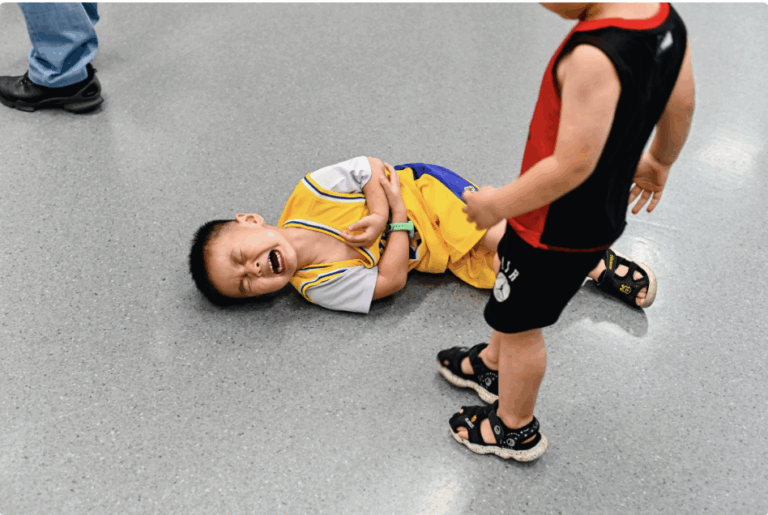
- Strong reactions that seem bigger than the situation
These are not labels, but signals that a child may benefit from additional support or a closer look.
Imagine this.
A child who was previously happy and engaged begins to feel more frustrated during the day. Transitions become harder, or they may have trouble expressing what they need in the moment.
Instead of jumping to conclusions, we pause and ask:
What is this child trying to communicate?
What support might help them feel more successful?
From there, we might:
- adjust the environment
- offer more one-on-one support
- partner with the family to better understand what we are seeing
And sometimes, that leads to exploring whether additional support outside the classroom could be helpful.
Every situation looks different, but the goal is always the same: to understand the child, not label them.
What this means (and what it doesn’t)
Seeing these patterns does not mean something is wrong nor define who a child is.
It simply means:
Let’s understand this child better.
How support can help
When children receive the right support early, it can:
- Reduce frustration
- Build confidence
- Strengthen communication
- Support emotional regulation
- Help them feel more successful in their environment
Sometimes this support happens within the classroom or outside specialists.
Sometimes, it leads to services like an evaluation or an Individualized Education Plan (IEP).
Partnership matters
The most important part of this process is partnership.
When teachers and parents work together with curiosity, openness, and care, we can better understand what each child needs to thrive and have a healthy developmental journey.
If you ever have questions or want to talk through something you are noticing, we are always here to partner with you.